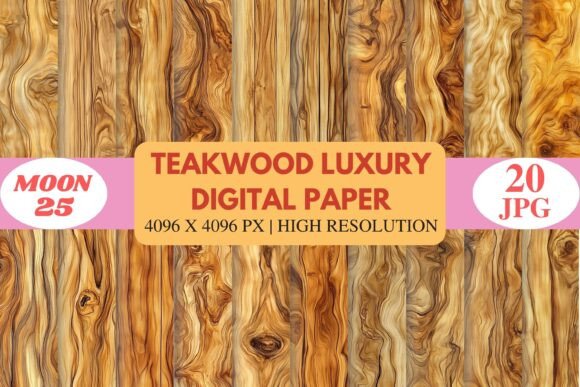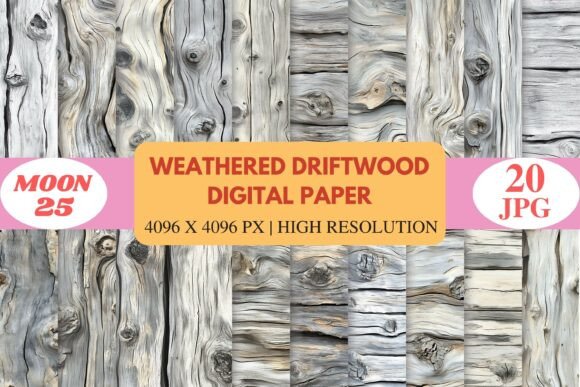
Weathered Driftwood Wood Textures: Elevate Your Creative Projects with Natural Charm
For creatives seeking to infuse their work with a sense of history and organic beauty, weathered driftwood wood textures offer an unmatched source of inspiration. These digital paper packs capture the authentic grain, knots, cracks, and worn patterns found in real coastal driftwood, making them ideal for a wide range of design applications. Whether you're working on scrapbooking, product mockups, or branding materials, the natural charm of weathered driftwood can add warmth and character to your projects.
The high-resolution nature of these textures ensures that every detail is preserved, allowing for seamless integration into both digital and physical designs. With 20 unique JPG files measuring 4096 × 4096 pixels, this pack provides a versatile collection of backgrounds that can be used across various creative platforms. The instant digital download makes it easy to start using these textures right away, without the hassle of shipping or waiting for physical products.
Why Weathered Driftwood Wood Textures Matter in Design
Weathered driftwood wood textures bring a sense of authenticity to any project. Unlike synthetic or generic background options, these textures reflect the natural imperfections and aging process of real wood. This adds depth and visual interest, making them perfect for rustic, nautical, vintage, and organic design themes. The subtle variations in color and texture mimic the look of aged wood, giving your designs a timeless quality that feels both inviting and refined.
One of the key advantages of using weathered driftwood wood textures is their adaptability. They can be layered over other images, used as standalone backgrounds, or incorporated into mixed-media compositions. For example, a scrapbook page featuring a beach-themed photo could benefit from a weathered driftwood texture as a base, adding a tactile feel that complements the overall aesthetic. Similarly, a product mockup for a handmade soap brand might use these textures to create a more organic, earthy presentation.
These textures are also valuable for designers who want to maintain consistency across different projects. By using a set of pre-designed wood textures, you can ensure that your branding, marketing materials, or home décor printables all share a cohesive visual language. This is especially useful for small business owners or independent creators looking to build a strong, recognizable identity.
Practical Applications of Weathered Driftwood Wood Textures
The versatility of weathered driftwood wood textures means they can be applied in numerous creative contexts. For instance, card makers can use these textures as a background for wedding invitations, thank-you cards, or holiday greetings, adding a natural element that feels both elegant and personal. Junk journal enthusiasts may find these textures useful for creating pages that evoke a sense of nostalgia or connection to nature.
In the realm of sublimation printing, weathered driftwood wood textures can serve as a striking backdrop for custom mugs, phone cases, or tote bags. The high resolution ensures that the details remain sharp and clear, even when printed at larger sizes. This makes them an excellent choice for entrepreneurs selling handmade or personalized items online.
Wall art and home décor printables are another area where these textures shine. A framed piece featuring a weathered driftwood texture can act as a focal point in a living room, bedroom, or office space. It adds a touch of coastal or rustic charm without requiring any additional framing or embellishments. For those who enjoy DIY projects, these textures can be printed and used as part of a collage or wall hanging, offering a customizable and affordable way to enhance interior spaces.
How Weathered Driftwood Wood Textures Fit Into Modern Workflows
As digital design tools become more accessible, the demand for high-quality, ready-to-use assets like weathered driftwood wood textures continues to grow. Many designers now rely on digital paper packs to streamline their workflow, saving time while maintaining a professional finish. This is particularly beneficial for those who work on tight deadlines or manage multiple projects simultaneously.
For instance, a graphic designer working on a series of promotional materials for a beach resort might use weathered driftwood textures to create a consistent theme across brochures, social media posts, and website banners. The textures provide a cohesive visual style that reinforces the brand’s connection to the ocean and nature. Similarly, a small business owner launching a line of eco-friendly products could incorporate these textures into packaging designs, reinforcing the company’s commitment to sustainability and natural aesthetics.
Another advantage of using these textures is their compatibility with various design software. Whether you're using Adobe Photoshop, Illustrator, or Canva, the high-resolution JPG files can be easily imported and manipulated. This flexibility allows for greater experimentation and customization, ensuring that the final result aligns with your creative vision.
Choosing the Right Weathered Driftwood Wood Textures for Your Project
When selecting weathered driftwood wood textures, it's important to consider the specific needs of your project. Different textures may have varying levels of detail, color tones, and patterns, so it's helpful to review the available options before making a decision. For example, a texture with more pronounced knots and cracks might be ideal for a vintage-inspired design, while a smoother, more uniform texture could work better for a modern, minimalist layout.
Additionally, the intended use of the texture should influence your choice. If you're planning to print the texture on a large format, such as a poster or banner, you'll want to ensure that the resolution is sufficient to maintain clarity. For digital-only applications, such as website backgrounds or social media graphics, the resolution may not need to be as high, but the quality of the image will still play a role in the overall appearance.
Finally, consider how the texture will interact with other elements in your design. A dark, weathered texture might complement light-colored text or illustrations, while a lighter, more neutral tone could serve as a subtle backdrop for bold visuals. Experimenting with different combinations can help you achieve the desired balance and harmony in your work.